Your AC just quit on a hot San Jose evening, the house is getting warmer by the minute, and every “quick fix” you find online sounds a little questionable. Family members are uncomfortable, the thermostat keeps climbing, and you are wondering how long you can push the system until a technician arrives.
That urge to lift a panel, flip a breaker again, or try a trick from a video is completely natural. When it is still 85 degrees inside at 9 p.m., doing nothing feels worse than trying something. The problem is that some “temporary AC repair” ideas are safe and helpful, while others can quietly destroy your compressor, create an electrical hazard, or turn a small repair into a major replacement.
At Comfort Energy, Inc., we have been handling late-night and weekend AC emergencies across the Bay Area, including San Jose, since 2005. Our licensed, insured, and certified technicians see the same pattern again and again. A simple issue that could have been fixed quickly turns into a larger repair because of what someone tried during those stressful first hours. In this guide, we will walk through what you can safely do, what you should never do, and how to keep your home comfortable until professional help arrives.
Why Temporary AC Fixes Can Be Risky During A San Jose Heat Wave
San Jose usually enjoys mild weather, but when a heat wave rolls in, homes can heat up quickly, especially upstairs or in rooms with heavy sun exposure. During those stretches, an AC failure feels like more than an inconvenience. It can be especially difficult for children, older adults, or anyone with health conditions that make it harder to regulate body temperature.
Modern AC systems may look simple from the thermostat, but many components work together behind the scenes. Your system relies on a sealed refrigerant loop, a compressor that circulates that refrigerant, an indoor evaporator coil that absorbs heat, and an outdoor condenser coil that releases it. Electrical components such as breakers, fuses, and control boards are designed to shut the system down when something goes wrong.
When people try to force the system to run past those protections, damage often follows.
Some temporary actions are low risk and may help, especially if the issue involves airflow or thermostat settings. Others, like repeatedly resetting breakers, opening panels, or attempting to add refrigerant, can cause failures that are far more serious than the original problem.
Because we handle design, installation, and service in-house rather than relying on subcontractors, we see the entire life cycle of systems in San Jose homes. That experience is why we draw a clear line between safe checks and risky DIY repairs.
Quick Safety Check: Emergency Or Minor Issue?
Before touching the system, it helps to determine what kind of situation you are facing. Some symptoms allow you to try a few basic steps safely. Others mean you should turn the system off and call for emergency service immediately.
First, look for serious warning signs. Turn the system off at the thermostat and avoid restarting it if you notice:
- A burning or electrical smell
- Visible smoke or sparking
- Loud popping or grinding noises
- A breaker that trips immediately after resetting
Repeated breaker trips usually indicate an electrical fault, such as a short circuit or a motor drawing too much power. These problems should always be handled by a licensed technician.
Other symptoms feel urgent but are less dangerous. Warm air from vents, weak airflow, short cycling, or ice forming on refrigerant lines are all common AC issues in San Jose homes. In these cases, you may be able to try a few simple checks while waiting for service.
If anything seems unsafe or the system gets worse, shut it off and wait for professional help.
Safe Temporary AC Checks You Can Try
A few basic checks are generally safe for homeowners and renters. These steps do not involve electrical panels, refrigerant handling, or bypassing safety controls.
- Start with the thermostat: Make sure it is set to Cool, not Heat or Off, and that the temperature is several degrees lower than the room temperature. If your thermostat uses batteries and the screen appears dim or blank, replace the batteries and wait a few minutes.
- Next, check power and airflow: Look for a nearby service switch near the indoor unit. It often resembles a light switch and should be in the “On” position. At your main electrical panel, you can check the AC breaker once. If it is tripped, reset it firmly to Off and then back to On.
- Do not reset the breaker repeatedly if it trips again.
- Now check the air filter. Slide it out and hold it toward a light source. If you cannot see light through it or it appears heavily clogged, replace it. Dirty filters restrict airflow and are one of the most common causes of cooling problems.
Finally, check the outdoor condenser.
Clear away leaves, debris, or objects stored against the unit. Trim back plants to maintain at least two feet of space around the equipment. You can gently rinse surface dirt from the exterior coil fins, but avoid spraying water into the top where electrical components are located.
After these steps, allow the system 15–20 minutes to run and see if cooling improves.
These are the same simple checks our technicians at Comfort Energy, Inc. often start with before moving into deeper diagnostics.
What To Do If Your AC Is Frozen
A frozen AC system is one of the most common emergency complaints in San Jose.
Signs include:
- Ice on refrigerant lines
- Frost on the evaporator coil
- Ice buildup near the indoor unit
Freezing usually occurs when not enough warm air moves across the coil. Common causes include dirty filters, blocked vents, or closed registers. Low refrigerant can also cause freezing, but diagnosing that requires professional tools.
Running a frozen system can send liquid refrigerant to the compressor, which may cause serious damage.
If you see ice:
- Turn cooling off at the thermostat.
- Turn the fan on to circulate air and help melt the ice.
- Place towels or a shallow pan near the unit to catch water.
Do not chip away ice with tools or pour hot water on the unit.
Once everything has completely thawed, which may take several hours, you can try running the system briefly again. If it freezes again, shut it down and wait for a technician.
What If The AC Is Running But Blowing Warm Air?
Warm air can result from several common issues.
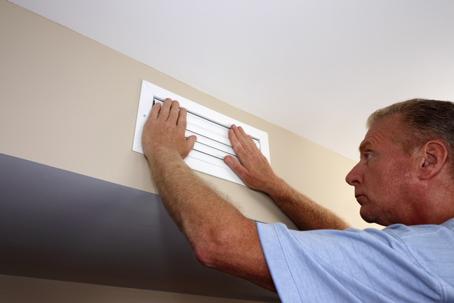
First confirm thermostat settings. Then check that all supply and return vents are open and not blocked by furniture or rugs.
Blocked airflow is a frequent cause of poor cooling.
Next, look at the outdoor condenser. If the indoor fan is running but the outdoor unit is silent, buzzing, or repeatedly trying to start, turn the system off and call for service.
This often indicates electrical or compressor-related issues that require professional diagnostics.
Temporary Fixes That Can Damage Your AC
Some of the most common DIY “fixes” we see actually cause the biggest damage.
Repeated Breaker Resetting
Breakers trip for a reason. Resetting them repeatedly can overheat wiring, damage motors, and even create fire risks.
One reset is reasonable. More than that is not.
DIY Refrigerant Refills
Refrigerant systems are sealed and calibrated to precise levels. Adding store-bought refrigerant can overcharge the system, damage the compressor, and release refrigerant into the environment.
Handling refrigerant also requires professional certification.
Opening Panels Or Bypassing Controls
Opening equipment panels exposes high-voltage wiring and moving parts. Forcing contactors or bypassing safety switches can lead to electrical shock, freezing coils, flooding, or overheating.
If the repair requires opening the unit, it is best left to professionals.
Our technicians at Comfort Energy, Inc. are trained to work safely with high voltage systems, refrigerant lines, and sensitive electronics using the proper diagnostic tools.
Staying Cool While You Wait For Repair
If the AC cannot be restored immediately, focus on keeping your home as comfortable as possible.
Start by reducing indoor heat.
Close blinds or curtains on sunny windows, turn off unnecessary lights and electronics, and avoid cooking with the oven during peak heat.
Fans can help significantly. Ceiling fans and portable fans do not lower the air temperature, but they improve airflow and help your body cool through evaporation.
If outdoor temperatures drop at night, open windows to bring in cooler air and close them again in the morning before temperatures rise.
Pay special attention to children, older adults, and anyone sensitive to heat. If indoor temperatures remain very high, consider temporarily moving to a cooler location such as a friend’s home or a public air-conditioned space.
How Our San Jose Emergency AC Repair Team Helps
When safe troubleshooting is not enough, professional service is the safest way to restore cooling.
When you contact Comfort Energy, Inc. for emergency AC repair in San Jose, our team begins with a few quick questions about what you are seeing and hearing. This helps us prepare for the most likely issues before arriving.
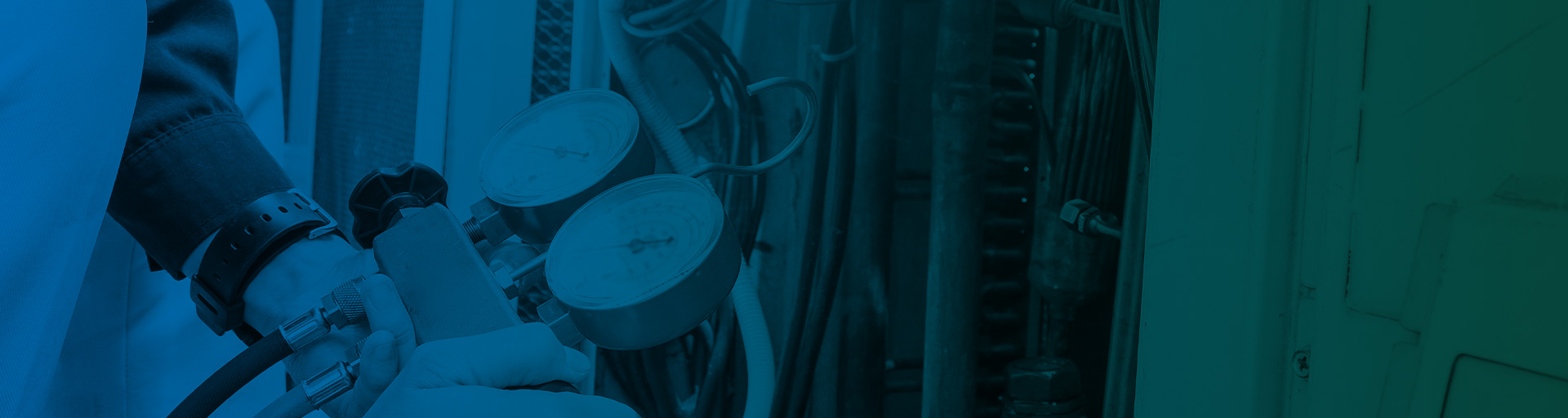
Once on site, our technicians perform electrical testing, refrigerant measurements, and system diagnostics using professional instruments. Because we handle design, installation, and service in-house, we can follow problems from initial failure through repair or replacement if necessary.
If you have a ductless system, our Mitsubishi Diamond Contractor certification ensures we follow strict training and service standards for those systems.
We also understand that emergency repairs can be stressful financially. That is why we focus on clear explanations, transparent pricing, and practical solutions that prioritize long-term reliability.
Get Professional Help With Emergency AC Problems In San Jose
When your AC stops working during a San Jose heat wave, a few simple checks may restore cooling or prevent additional damage. Knowing which steps are safe and which are risky can protect both your equipment and your home.
If the safe troubleshooting steps in this guide do not solve the problem, or if you notice warning signs such as burning smells, sparks, or repeated breaker trips, turn the system off and call for professional help.
Our team at Comfort Energy, Inc. provides 24/7 emergency AC service throughout San Jose and the Bay Area. With licensed technicians, in-house service, and a commitment to efficient long-lasting repairs, we are ready to help when your cooling system fails.
(408) 560-4050