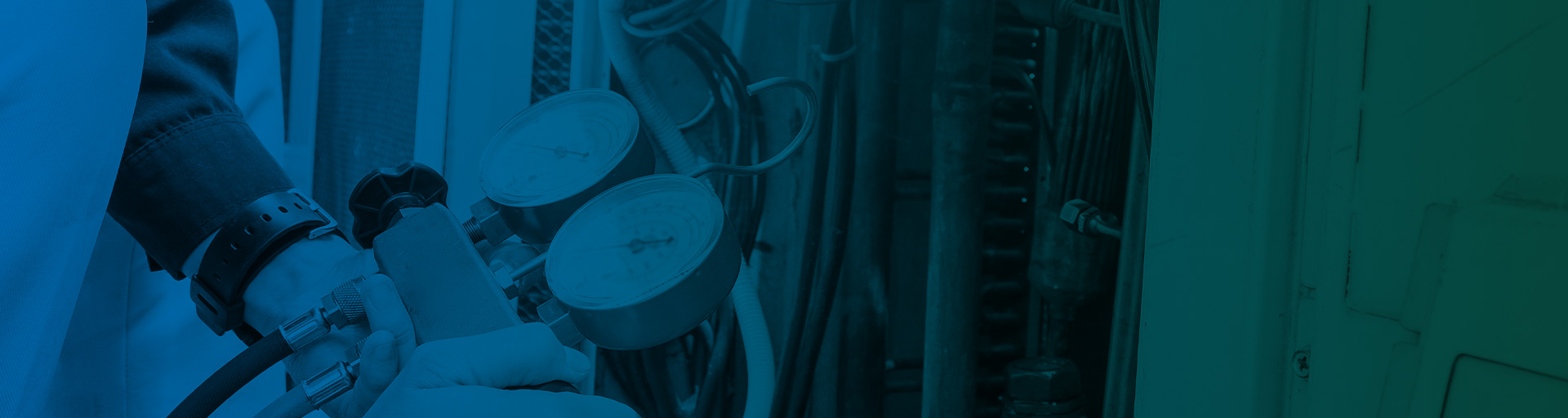

The steady hum of a cooling system is a comforting sound on a warm South Bay afternoon, but when it never stops, it becomes a cause for concern. A system that runs 24/7 isn't just a nuisance for your ears; it’s a major drain on your wallet and a sign that your equipment is under immense stress. Identifying the root cause of why your unit won't cycle off is the first step in restoring your home’s comfort and preventing a total system failure. Whether the issue is a simple DIY fix or requires professional AC repair, understanding these common triggers can save you from a hot house and high utility bills.
Understanding Constant Cooling Cycles
When an air conditioner operates correctly, it should run until it reaches the temperature set by your thermostat, then shut off. If your system runs indefinitely, it means it is struggling to reach that temperature goal. This persistent operation leads to frozen coils, overworked compressors, and a significantly shortened lifespan for your expensive HVAC investment.
1. A Restricted or Dirty Air Filter
Airflow is the lifeblood of your cooling system. If your filter is caked in dust, the unit can’t pull enough warm air over the evaporator coils to cool it down effectively. This causes the system to run longer and longer as it tries to compensate for the weak airflow entering your living spaces.
2. Frozen Evaporator Coils
It might seem counterintuitive, but your AC can actually freeze up in the middle of summer. When airflow is restricted or refrigerant levels are low, the coils can drop below freezing and become encased in ice. This ice acts as an insulator, preventing the system from cooling your home and forcing it to run continuously without any temperature drop.
3. Dirty Condenser Coils
The outdoor portion of your air conditioner is responsible for releasing the heat collected from inside your home. If the outdoor coils are covered in dirt, grass clippings, or debris, they cannot dissipate that heat efficiently. This trapped heat forces the compressor to work overtime to achieve the same cooling effect.
4. Low Refrigerant Levels
Your AC doesn't "use up" refrigerant like a car uses gas; it circulates it in a closed loop. If your levels are low, it almost always points to a leak. Low refrigerant prevents the system from absorbing enough heat, leading to lukewarm air blowing from the vents and a system that never seems to finish its job.
5. Aging and Wear
As systems cross the ten-to-fifteen-year mark, mechanical components begin to lose efficiency. Motors slow down, and compressors struggle to compress refrigerant effectively. At this stage, the unit has to run for much longer durations just to provide the same level of comfort it once did with ease.
Schedule Your Professional AC Repair Today
If you’ve checked your filters and cleared your outdoor unit but the system still won’t cycle off, it is time to call in the experts. Ignoring a constantly running unit can lead to a complete compressor burnout, which is one of the most expensive repairs in the HVAC industry. Comfort Energy, Inc. offers over 30 years of technical experience to diagnose the specific electrical or mechanical failure causing your system's distress.
Don't let a struggling air conditioner drive up your energy bills and risk a total breakdown. Contact the professional team at (408) 560-4050 to schedule your diagnostic service and ensure your home stays cool without the constant hum of an overworked system.